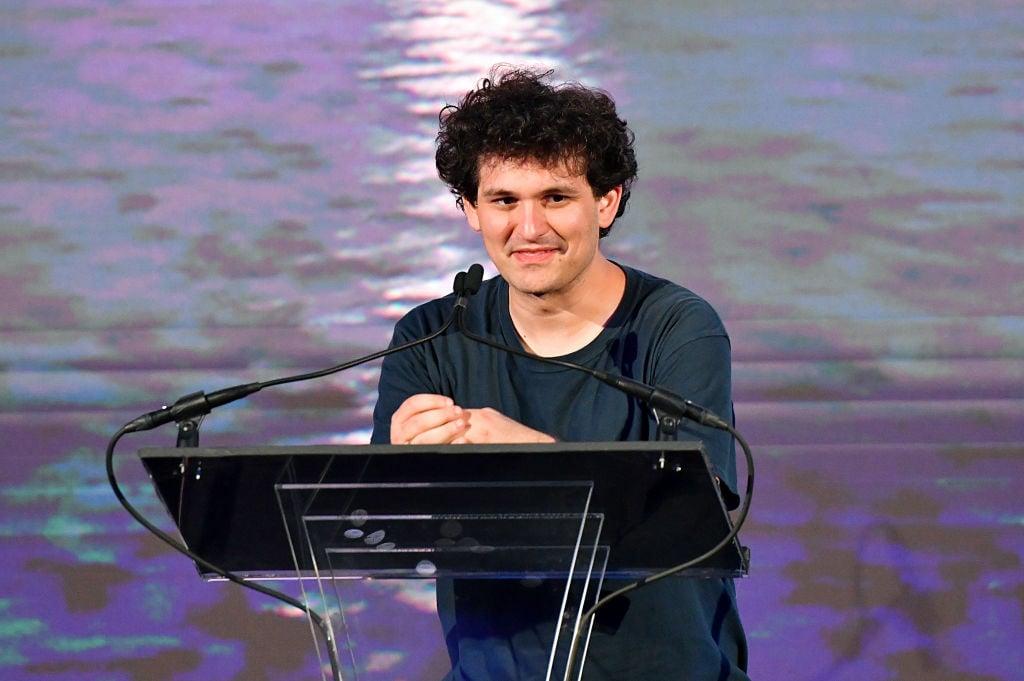
When SpaceX closed its $60 billion all-stock acquisition of AI coding company Cursor on August 14, 2026, it capped one of the fastest venture outcomes of the AI era. It also resurfaced an awkward detail: one of Cursor's earliest backers was Sam Bankman-Fried's trading firm, Alameda Research.
According to an analysis by Celebrity Net Worth, the portfolio assembled by FTX and Alameda before their November 2022 collapse included early positions in Cursor, Anthropic, Robinhood, SpaceX and several crypto projects. Most of those stakes were later sold by bankruptcy administrators, often well before their values climbed.
A $200,000 Check Into Cursor
Cursor is built by Anysphere, a company started four years before the SpaceX deal by four MIT students. Its software lets developers create applications using plain-English instructions and AI.
In April 2022, Alameda put $200,000 into Anysphere for a stake believed to be about 5%. The startup later raised $8 million in October 2023 in a round led by the OpenAI Startup Fund, reached a $2.6 billion valuation by January 2025, and was valued at $29.3 billion after a $2.3 billion round in November 2025.
An undiluted 5% stake would have been worth $3 billion at the $60 billion exit, or about $1.8 billion if dilution had cut it to 3%. Instead, in April 2023, an FTX-affiliated entity called Clifton Bay Investments sold the position for $200,000, the original purchase price.
Anthropic Was the Largest Missed Gain
In 2021, well before generative AI went mainstream, Alameda invested $500 million in Anthropic for a 13.5% stake. By 2024, later funding rounds had reduced that holding to under 8%.
FTX's administrators sold the shares that year for a combined $1.34 billion to buyers including investors tied to Mubadala, Jane Street and the Ford Foundation. That was a solid return on paper.
With Anthropic preparing for an IPO expected to value it at around $1.4 trillion, The New York Times estimated the original investment, adjusted for dilution, would be worth roughly $35 billion, about 70 times the initial check.
Robinhood, Sui and a Crypto Treasury
In early 2022, Bankman-Fried bought about 55.3 million Robinhood shares for $648 million through Emergent Fidelity Technologies, an entity he controlled with FTX co-founder Gary Wang. The Justice Department seized the shares, and Robinhood bought them back from the government in August 2023 for $605.7 million. At a November 2026 price near $72, the block would be worth about $4 billion.
FTX Ventures also put roughly $101 million into Mysten Labs, developer of the Sui blockchain, in September 2022. The estate sold the position back to Mysten for $96.3 million in April 2023, though the analysis excludes it from its totals because the warrants and restrictions make it hard to value.
The estate also liquidated large crypto holdings, including about 41 million locked SOL tokens sold in 2024 at prices near $64, plus roughly 20,500 bitcoin and 112,600 ether. At November 2026 prices, those positions would total around $4.45 billion.
Indirect Exposure to SpaceX
In 2022, Alameda sent roughly $700 million to K5 Global and related entities linked to Michael Kives and Bryan Baum. One K5 fund used about $190 million to buy SpaceX shares when the company was valued near $125 billion.
Following its June 2026 IPO, SpaceX's market value reached roughly $1.9 trillion by November, implying that position could be worth about $2.9 billion before fees and dilution. Unlike the other assets, the estate kept this exposure through a January 2025 settlement that preserved its limited-partner interests.
A Hypothetical Fortune Near $70 Billion
Taken together, the five main investment categories would be worth more than $48 billion. Adding FTX's historical funding valuations of $32 billion for FTX Trading and $8 billion for FTX US, and assuming 90% economic exposure, the analysis arrives at a hypothetical personal fortune approaching $70 billion.
For context, Bankman-Fried's net worth peaked at around $25 billion in mid-2022. Today it is effectively zero, and he is serving a 25-year sentence at a federal prison complex in Lompoc, California, after being convicted of fraud and conspiracy.
What the Episode Says About Venture Bets and Bankruptcy
The numbers do not change how the investments were funded: with money misappropriated from FTX customers. At sentencing, Judge Lewis Kaplan likened the situation to a thief who takes stolen money to Las Vegas and wins.
Administrators also faced a different mandate than a venture fund, which was to recover cash for creditors rather than hold speculative startup stakes for years. For founders and investors, the episode is a reminder of how heavily early-stage returns depend on timing and patience, and how a forced sale can shift those gains to whoever buys in next.
Source: Celebrity Net Worth