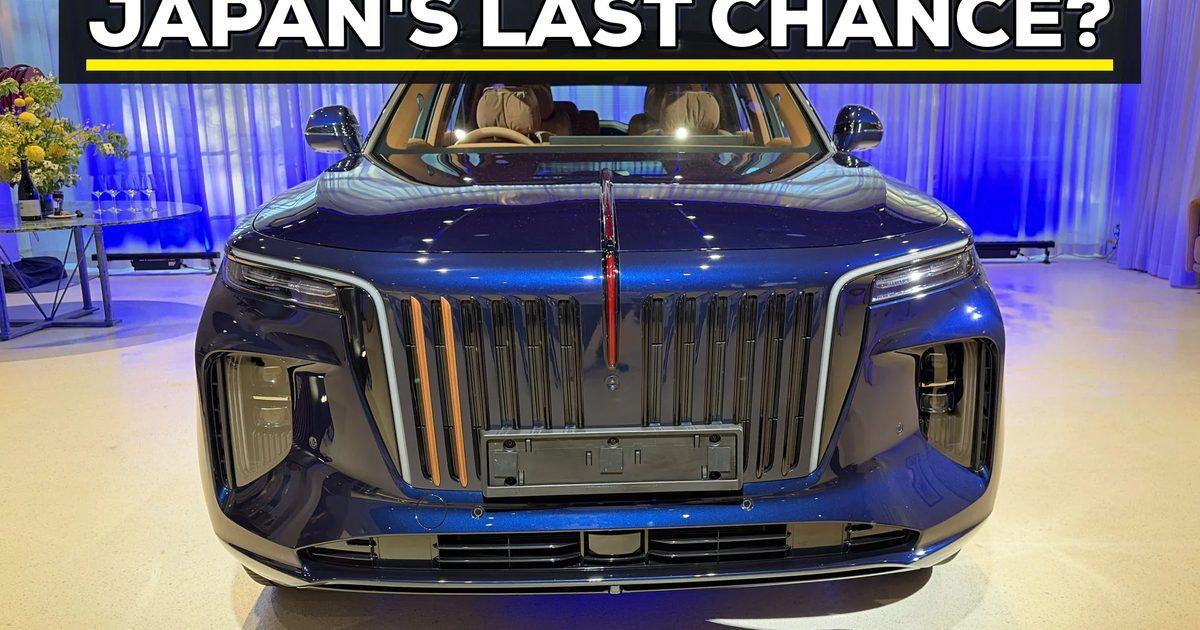
The executive bringing Hongqi to Australia believes the future of the global electric vehicle market will be decided by two camps: Chinese manufacturers and Tesla. Japanese carmakers, in his view, have one remaining path back into contention.
Jim Wu, Founder, Managing Director and CEO of Greentech Smart EV, shared his outlook during a question-and-answer session at the Australian launch of the HQ E-HS9 in Melbourne on 11 November 2026, according to a report by CarSauce. HQ is the name under which Hongqi has entered the Australian market.
His views also explain a key product decision: HQ will sell only fully electric vehicles in Australia, rather than mixing in plug-in hybrids.
An Industry Veteran With a Broad Vantage Point
Wu brings more than two decades of experience across several major automakers. He spent over 20 years at Peugeot, Honda and Toyota, including a period running Toyota's national sales and marketing operations in China.
He is also a co-founder and former President of Leapmotor, one of the newer Chinese electric vehicle makers. That mix of legacy and startup experience gives his assessment of the competitive landscape particular weight.
China and Tesla as the Final Contenders
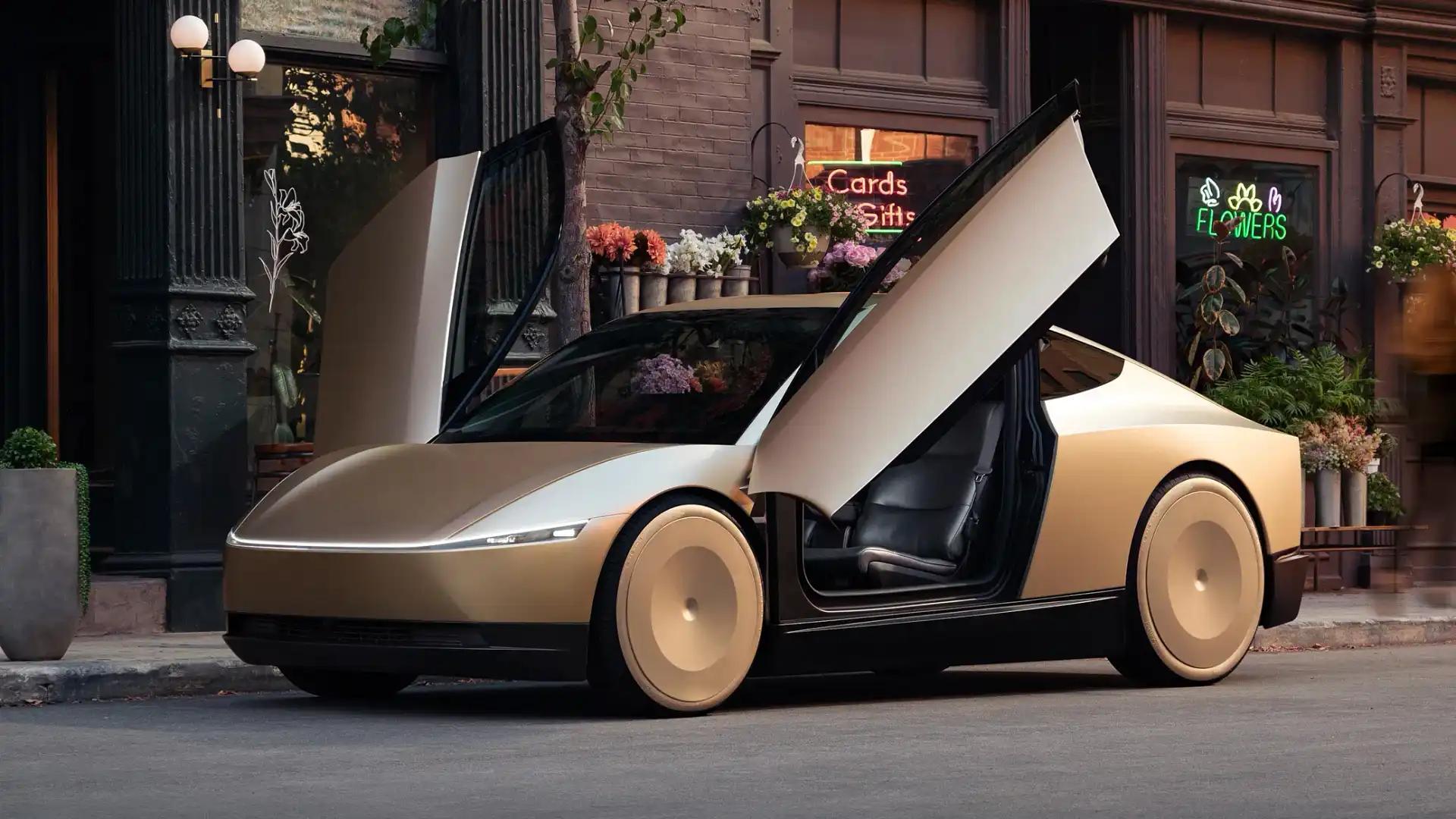
Wu argued that Tesla is the only American electric vehicle maker positioned to survive on a global scale. Chinese manufacturers, meanwhile, are taking varied technical approaches but heading in broadly the same direction.
He expects Chinese brands to compete primarily on price, comfort and in-car technology, areas where they have already been aggressive in their home market and abroad.
Solid-State Batteries and Japan's Prospects
For Japanese automakers, Wu sees solid-state battery technology as decisive. He said they need to move quickly on the technology to stay competitive, describing it as their "last chance."
Solid-state batteries are widely viewed across the industry as a potential step forward in energy density, charging speed and safety compared with current lithium-ion cells, though commercial deployment remains a work in progress for most manufacturers.
Why HQ Is Skipping Plug-In Hybrids
When asked whether HQ would add plug-in hybrids to its range, Wu made clear he prefers an electric-only line-up. His reasoning rests on battery economics.
He explained that plug-in hybrid and range-extender powertrains are only financially sensible when battery materials are costly enough that installing two propulsion systems is cheaper than fitting the larger battery a pure electric vehicle requires. The implication is that as battery costs fall, the case for hybrids weakens.
Range Needs and the Cabin Experience
Wu said delivering long driving range is a straightforward engineering task for Chinese manufacturers, but he questioned how much range buyers genuinely need. He suggested around 550km is a useful figure, with 600km covering a wide set of requirements. These numbers reflected his personal view, not a specification for the E-HS9.
He also placed more emphasis on interior experience than exterior design, comparing vehicles to the iPhone in how technology can expand what a product does. Sounds, displays and the overall sensory feel of a cabin will matter increasingly to customers, he argued, because occupants spend their time inside the car rather than looking at its paintwork.
What HQ's Rollout Signals for the Market
The HQ E-HS9 is a six-seat electric SUV with an indicative price below $150,000 before on-road costs, and deliveries are scheduled to begin on 18 January 2027. The brand's rollout continues with the EHS4 in December 2026 and the EHS5 in April 2027.
For the wider industry, Wu's comments capture a growing confidence among Chinese-linked players that falling battery costs and software-led cabins will define the next phase of competition. For established automakers, particularly in Japan, his message is that the window to respond with breakthrough battery technology is narrowing.
Source: CarSauce