The hardware startup world is facing a harsh reality.
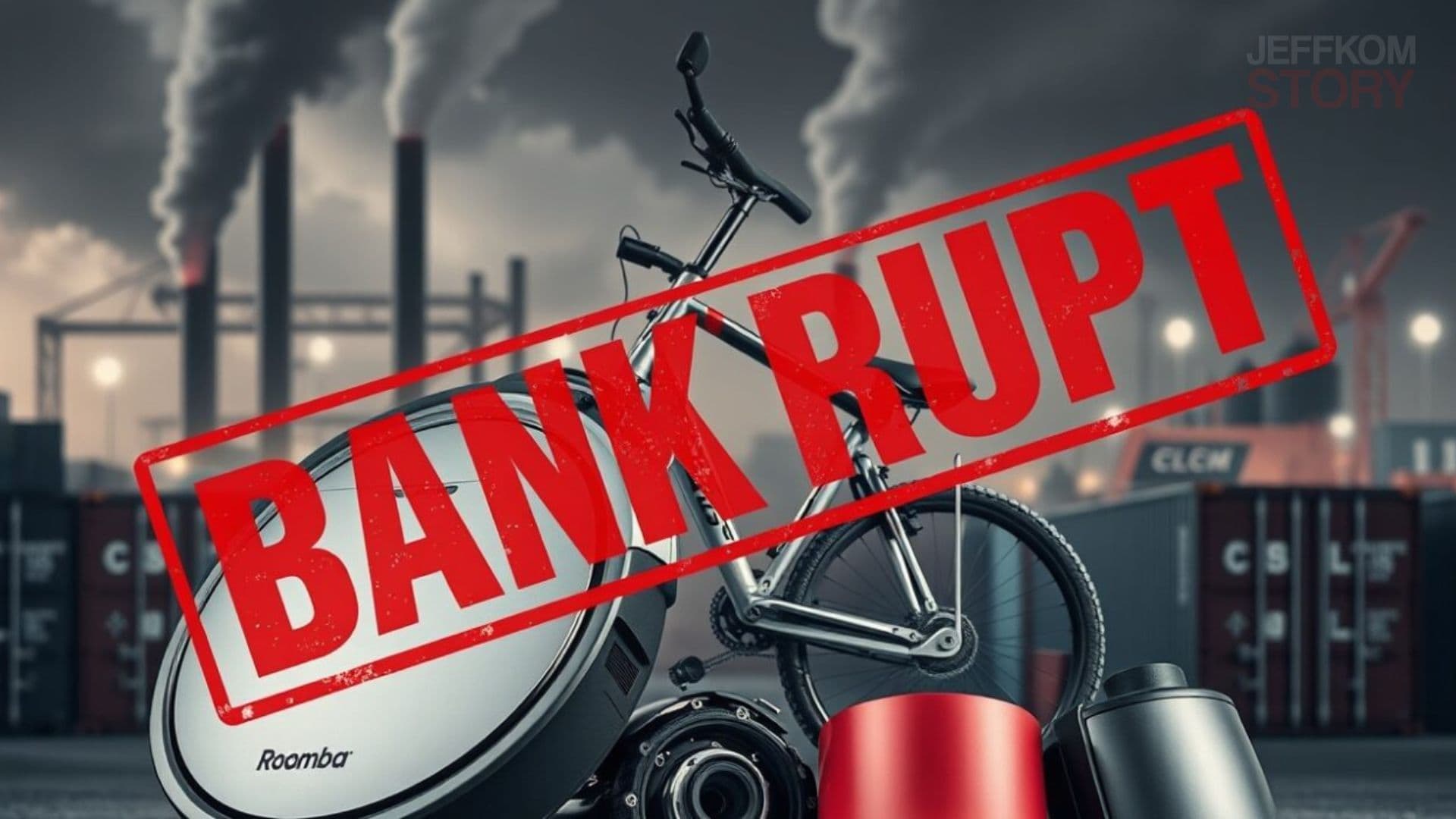
In a single week, three well-known companies—iRobot, Luminar, and Rad Power Bikes—filed for bankruptcy. These weren’t obscure startups. They were category leaders, backed by capital, brand recognition, and years of innovation.
Their collapse isn’t about bad timing or isolated mistakes.
It’s a warning signal for anyone building physical products in today’s global economy.
And for the broader tech and crypto ecosystem, the parallels are impossible to ignore.
A Perfect Storm for Hardware Startups
Building hardware has always been hard.
But in today’s environment, it’s becoming brutally unforgiving.
Most hardware startups face the same structural challenges:
- High upfront capital costs
- Long product development cycles
- Thin margins
- Heavy reliance on global supply chains
When market conditions shift—even slightly—these businesses have very little room to recover.
That’s exactly what happened here.
Why Did iRobot, Luminar, and Rad Power Bikes Fail?
Each company had its own struggles, but the underlying issues were strikingly similar.
CompanyCore ProductKey Trigger
iRobot
Roomba robotic vacuums
Failed Amazon acquisition due to regulatory scrutiny and intense competition
Luminar
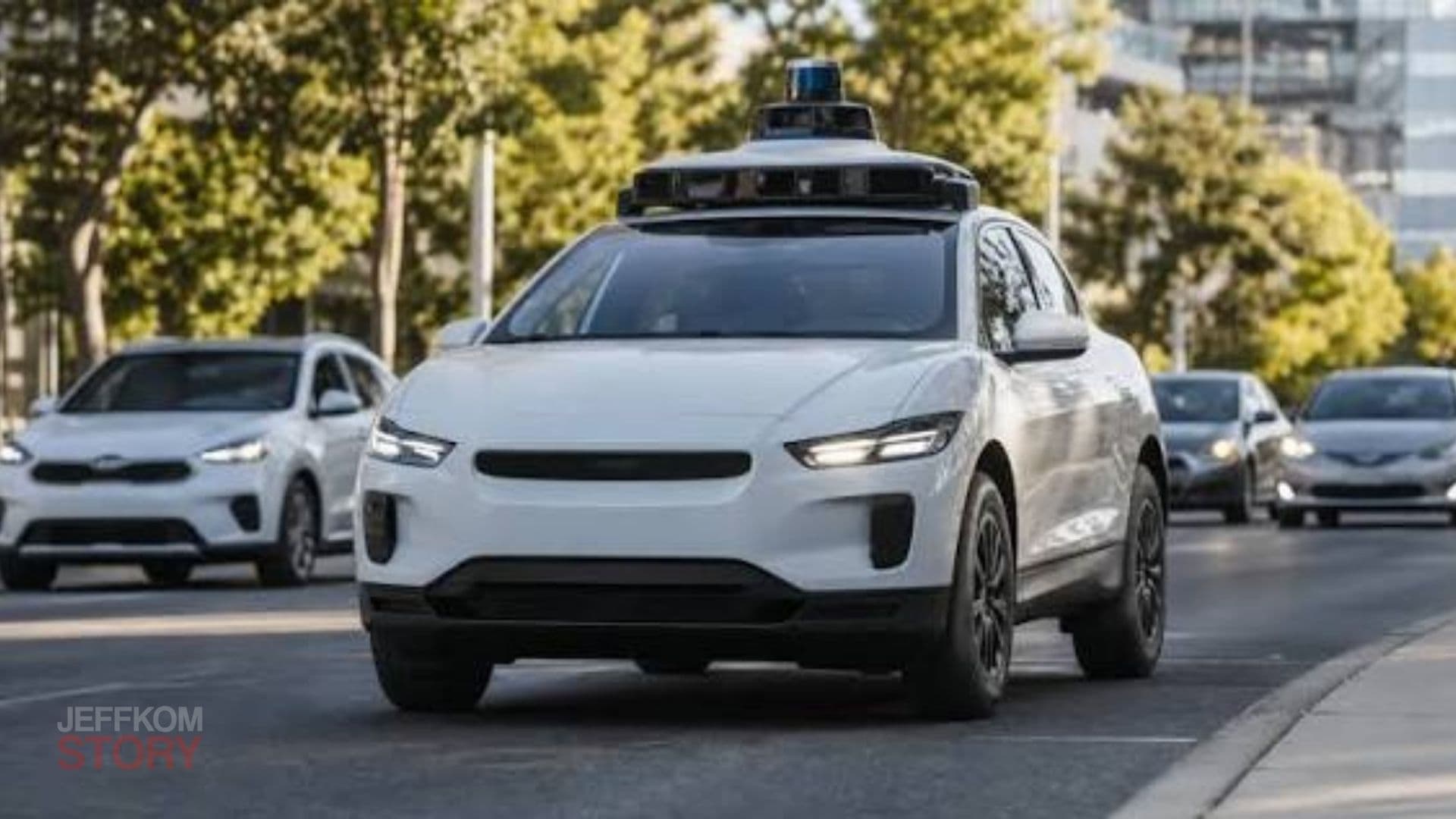
LiDAR sensors for autonomous vehicles
Slower adoption by automakers and rising supply chain costs
Rad Power Bikes
Electric bicycles
Inventory overload, rising costs, and cheap overseas competitors
Together, they highlight a deeper crisis facing hardware innovation.
Global Trade Tensions Are Now a Business Cost
Geopolitics is no longer abstract.
It directly hits startup balance sheets.
Tariffs, trade restrictions, and U.S.–China tensions have reshaped manufacturing economics overnight.
For many startups, this meant:
- Higher production costs
- Broken supplier relationships
- Unpredictable pricing
- Delayed product launches
Companies that once relied on affordable Chinese manufacturing suddenly found their margins wiped out.
Long-term planning became nearly impossible.
Supply Chain Issues: The Silent Killer
Modern hardware depends on dozens—or hundreds—of components sourced globally.
When one part goes missing, everything stops.
Key problems include:
- Component shortages: One missing chip can halt an entire production line
- Shipping delays: Freight costs and logistics disruptions eat into profits
- Inventory risk: Holding too much stock drains cash; too little kills sales
- Demand forecasting: Ordering parts months in advance is a high-stakes gamble
For cash-constrained startups, these issues quickly become fatal.
Cheap Overseas Competition Is Crushing Innovation
Innovation alone no longer guarantees survival.
Startups pioneer new categories—robotic vacuums, e-bikes, LiDAR systems—only to face rapid imitation.
Competitors often benefit from:
- Lower labor costs
- Government subsidies
- Fewer regulatory hurdles
They flood the market with cheaper alternatives.
The result?
- Margin wars
- Commoditized products
- No way to recover massive R&D investments
Many original innovators simply can’t compete on price.
What Crypto and Tech Builders Can Learn
This hardware collapse isn’t just about manufacturing—it’s about business resilience.
The lessons apply directly to crypto, AI, and deep-tech startups.
1. Diversify Everything
Relying on one supplier, one market, or one regulatory outcome is dangerous.
2. Build a Strong Moat
If your product can be easily copied, you don’t own the market.
Patents, software integration, and ecosystem lock-in matter.
3. Manage Cash Relentlessly
Hardware burns cash fast.
So does blockchain infrastructure.
Runway is survival.
4. Take Regulation Seriously
iRobot’s fate was sealed by regulators.
Ignoring policy risk—whether antitrust or crypto regulation—is no longer an option.
A Wake-Up Call for Modern Startups
The bankruptcies of iRobot, Luminar, and Rad Power Bikes send a clear message:
Great technology is not enough.
Success today requires navigating:
- Global supply chains
- Trade policy
- Regulatory risk
- Brutal price competition
The era of easy money and growth-at-all-costs hardware startups is over.
The future belongs to companies built for resilience, not just innovation.
Final Thought
Whether you’re building robots, electric vehicles, or decentralized networks, the challenge is the same:
Survive volatility before you can change the world.
For more insights on technology, startups, and market shifts shaping the future, explore the latest analysis on Jeffkom Story.