Instagram users in India who lose their accounts cannot turn to a High Court writ petition to force Meta to restore them, the Delhi High Court has ruled. The court held that operating a social media platform is a private activity, not a public function, and that disputes over deactivations belong in civil courts.
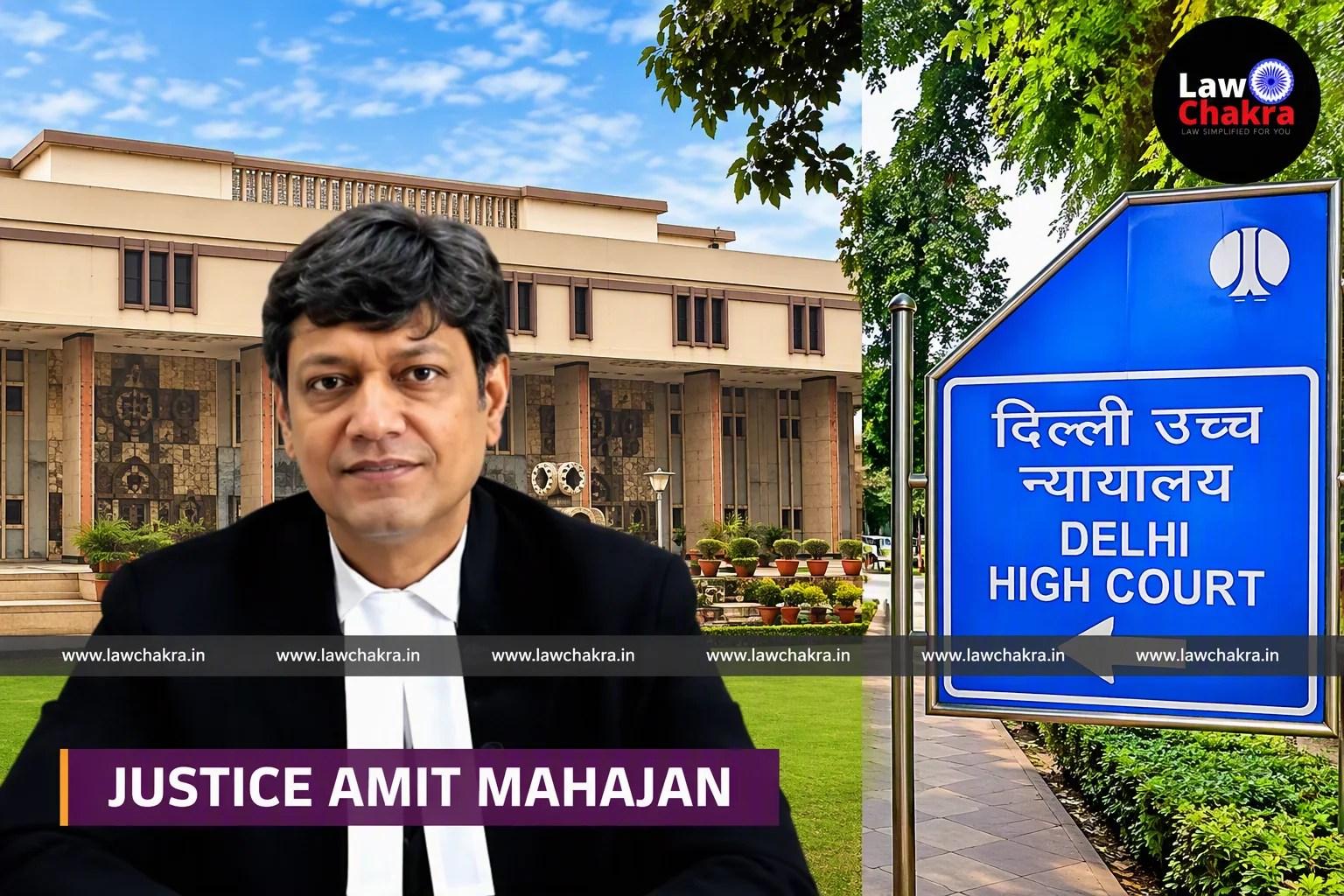
The decision came in Sarthak Bhagat v. Union of India and Others, heard by Justice Amit Mahajan, according to a report by LawChakra. While the court declined to act against Meta directly, it instructed the government's Grievance Appellate Committee to move swiftly on the user's pending appeal.
Accounts Disabled Without Notice or Explanation
Bhagat approached the court after Meta disabled his Instagram accounts without warning and without giving him an opportunity to respond. His petition stated that the only justification offered was an alleged breach of Instagram's Community Standards.
He was also informed that the decision could not be reviewed again and that his data would be permanently deleted. A review request submitted through the app did not lead to restoration and produced no specific reasons for the action.
An Appeal Stuck Past Its Deadline
Before turning to the High Court, Bhagat had filed an appeal with the Grievance Appellate Committee on September 11, 2026. The committee was set up under Rule 3A of the Information Technology (Intermediary Guidelines and Digital Media Ethics Code) Rules, 2021, to hear users' complaints against platform decisions.
The rules contemplate a 30-day window for the committee to resolve appeals, but Bhagat's case remained undecided beyond that period. In his petition, he also asked the court to direct the Union Government to ensure Meta complies with the IT Act, 2000 and the 2021 Rules.
Why the Court Found Meta Outside Writ Jurisdiction
Under Article 226 of the Constitution, High Courts can issue writs against the State and, in limited cases, against private bodies. The court explained that a private entity falls within this reach only if it performs a public duty, its work is tied to a State obligation, or it exercises powers conferred by law.
Applying that test, the court concluded that Meta's operations are private and that no government mandate hands the company any traditional State function. It acknowledged that social platforms play a major role in spreading information and shaping opinion, but treated public discourse as a by-product of their business rather than a duty they owe.
"Respondent No. 3 cannot be said to perform a public function or discharge a public duty," the court said, referring to Meta. It added that Bhagat's remedy against the company appeared to be a civil suit, in which he could seek damages if any were owed.
No Order Against the Government, but a Push on the Appeal
The court also rejected the request for a writ of mandamus against the Union Government. Such an order, it noted, requires evidence that a public authority has failed in a statutory duty, and it found no concrete material showing that this had happened.
Even so, the court took note of the delay at the Grievance Appellate Committee and directed it to decide Bhagat's appeal expeditiously. That direction signals that the court views the committee, a statutory body with a defined timeline, as the proper public-law route for users in this position.
What the Ruling Means for Users and Platforms
Account suspensions have become a frequent source of litigation in India, and many users have sought fast relief through writ petitions. This ruling narrows that path, at least where the platform itself is the target.
For creators and small businesses that depend on Instagram for reach and revenue, the practical options are now clearer: pursue the statutory appeal under the IT Rules or file a civil claim. For platforms, the decision reinforces that enforcing their own community standards is treated as a private matter, while the government's appeals mechanism remains under judicial pressure to meet its own deadlines.
Source: LawChakra