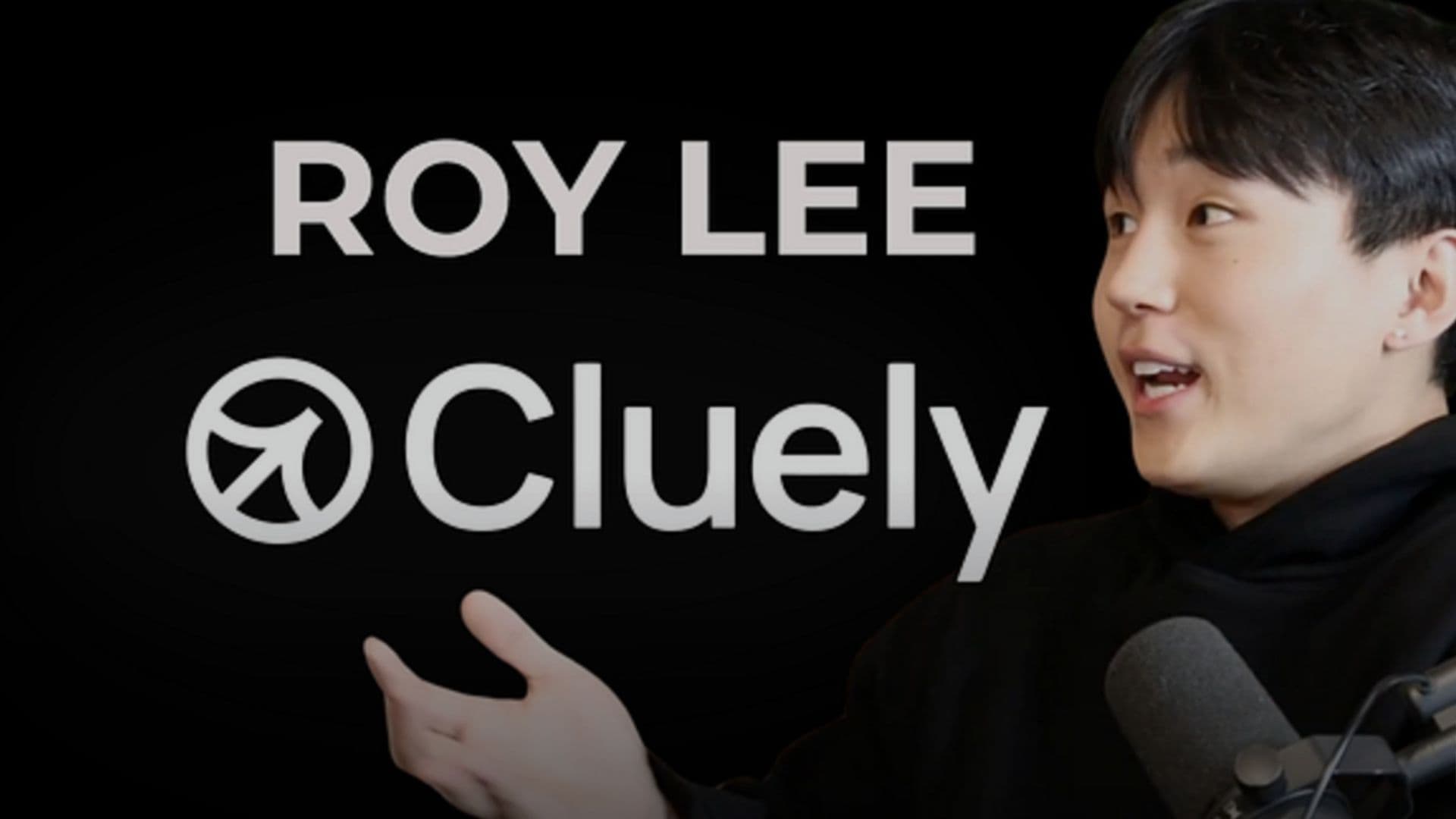
In today’s fast-moving startup world, going viral can make or break your business and few understand this better than Roy Lee, the founder of Cluely. Speaking at Disrupt 2025, Lee shared his unfiltered take on why startups need to focus less on engineering perfection and more on attention-driven marketing.
“If you’re not in deep tech, you need to focus deeply on distribution,” Lee told the audience. His message was clear: if you can’t make people care, your startup won’t scale.
The Ragebait Formula
Cluely shot to fame earlier this year with a viral claim that its AI assistant could “help you cheat on anything.” The claim was quickly debunked by proctoring services, but by then, Cluely had already captured massive attention. Within months, the company raised $15 million from Andreessen Horowitz, becoming one of the most talked-about names in the AI assistant market.
Lee admits this was no accident. “I think I’m particularly good at framing myself in a way that’s controversial,” he said. His approach? Lean into ragebait creating content that’s so bold, personal, or divisive that it sparks conversation everywhere.
Attention Over Reputation
Lee’s marketing philosophy flips traditional wisdom on its head. “Reputation is sort of a thing of the past,” he explained. “You can try to be the New York Times and guard your reputation, but look around Sam Altman is tweeting about hot guys, and Elon Musk is going wild online.”
In Lee’s view, authenticity and extremity have replaced polish and professionalism. “You have to be extreme, you have to be authentic, and you have to be personal,” he said.
Does Ragebait Really Work?
While Cluely’s virality brought attention, Lee was tight-lipped about actual numbers. “You should never share revenue,” he noted. “If you’re doing well, no one talks about it. If you’re doing poorly, that’s all they’ll talk about.”
Still, Lee hinted that Cluely’s growth exceeded expectations even if it’s not “the fastest growing company of all time.”