A regional alliance of cybersecurity communities from Southeast Asia and Japan gathered in Bangkok in late October to examine how increasingly autonomous artificial intelligence is reshaping the threat landscape, and what governments and companies should do about it.
The ASEAN Japan Cybersecurity Community Alliance (AJCCA) held its 3rd Annual Conference on 29 October at the Crowne Plaza Bangkok Lumpini Park, according to a press release published by The Manila Times. The event combined policy discussion, an awards program and a new industry partnership.
A Conference Built Around the Agentic AI Era
The gathering ran under the theme of advancing trusted cybersecurity through the agentic AI era and regional collaboration. It drew government officials, security leaders, industry representatives, academics and community groups from across ASEAN, Japan and other regions.
The Thailand Information Security Association, one of the alliance's founding communities, hosted the event. Chulalongkorn Business School at Chulalongkorn University served as co-host.
Chairman Warns That Attacks Are Getting Faster
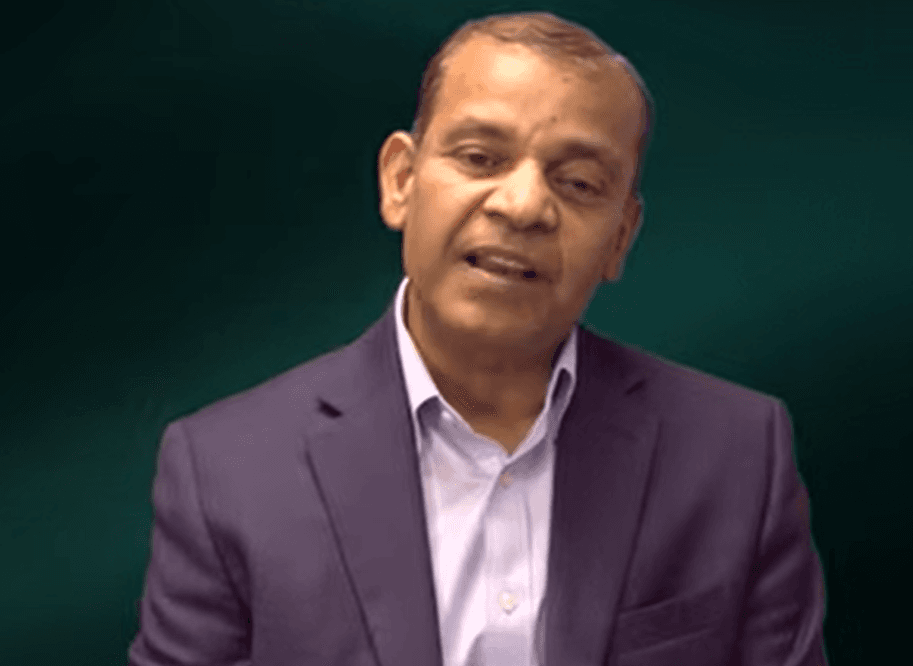
In opening remarks, AJCCA Chairman Dr. Rudi Lumanto described a shift in which AI systems no longer simply respond to questions but can make decisions and carry out tasks with little human oversight.
He acknowledged the productivity and innovation gains such systems offer, but cautioned that criminals are already using AI to speed up attacks, find weaknesses and automate malicious activity. Defenders, he argued, need to respond with faster and more coordinated approaches.
Dr. Lumanto also stressed that tools alone will not deliver resilience. He pointed to the need for skilled people, strong institutions and cooperation across government, industry, academia and the security community.
Regional Agencies Share the Stage
Speakers included representatives from Thailand's National Cyber Security Agency, Indonesia's National Cyber and Crypto Agency (BSSN), Japan's National Cybersecurity Office and the Asian-Oceanian Computing Industry Organization.
Experts from Chulalongkorn University, the World Economic Forum and several technology and security firms also contributed views on emerging threats, agentic AI and how prepared the region is to respond.
Cyber Resilience Awards Recognize Leaders Across Ten Countries
The AJCCA Cyber Resilience Award (ACRA) 2026 honored one individual from each of ten countries for work in leadership, technical skill, capacity building and community development. Winners were named during the conference and celebrated at an awards dinner that evening.
Recipients included Shamsul Bahri Haji Kamis of Cyber Security Brunei, Cambodian trainer and BarCamp Cambodia organizer Sophat Chy, BSSN head Nugroho Sulistyo Budi of Indonesia, and Itsuro Nishimoto, CEO of Japan's D.ry2. Laos was represented by Khamla Sounnalat of the Ministry of Technology and Communications, and Malaysia by Mohd Shahril Bin Hussin of Bank Negara Malaysia.
The list was completed by Albert P. Dela Cruz, co-founder of the Philippine Computer Emergency Response Team; Yum Shoen Yih of Singapore's CyberSG TIG Collaboration Centre; Dr. Mahatana Ampornpisit, president of Thailand's Government Housing Bank; and Nguyen Minh Duc, founder and CEO of Vietnamese security firm CyRadar. A Special Award went to Asst. Prof. Taninnit Leerapun, director of Sriphat Medical Center at Chiang Mai University.
New Partnership With Thailand's ICT Industry
AJCCA also signed a memorandum of understanding with the Association of Thai ICT Industry (ATCI), aimed at linking security communities more closely with technology companies through knowledge exchange, joint projects and business partnerships.
ATCI Vice President Kobkanjana Veerapongpradit said cooperation should move beyond awareness and information sharing toward practical commercial collaboration. Dr. Lumanto noted it was the alliance's third such agreement in 2026, bringing its roster of global partners to six.
Turning Threat Intelligence Into Business Opportunities
The ATCI deal supports AJCCA's Business Matching initiative, which pairs organizations facing security problems with vendors, experts and services that can address them. The program works alongside the alliance's Threat Intelligence Working Group.
"Threat intelligence identifies the need, while business matching helps mobilize the capability," Dr. Lumanto said. For security startups in Southeast Asia and Japan, that model points to a more structured route to customers, as regional bodies increasingly treat collaboration with industry as part of their defense strategy against AI-driven threats.
Source: The Manila Times